
Wisdom Tooth Extractions – Worcester, MA
Remove Your Molars, Alleviate Your Pain
Are you struggling with persistent jaw pain? Are you finding it difficult to keep your molars decay-free? If so, the solution may be wisdom tooth extractions. With this procedure, our experienced, caring, and gentle oral surgeon can remove the problematic teeth and restore your healthier, pain-free smile! Feel free to get in touch with us or read on if you’re interested in learning more about this emergency dental treatment.
Why Choose Winthrop Street Dentistry for Wisdom Tooth Extractions?
- Highly Trained In-House Oral Surgeon
- Safe IV Sedation Available
- Dental Insurance Welcome
What are Wisdom Teeth?

In short, wisdom teeth are the third and final set of molars. They are believed to have earned their nickname due to the age they usually erupt (between 17 and 25). Although they were extremely helpful for our ancestors who had a completely different diet and oral hygiene tools, they are often more harmful for patients today.
Why Do Wisdom Teeth Need to Be Removed?

Oftentimes, there isn’t enough room in the mouth for the third set of molars, which can lead to everything from chronic jaw pain to difficulty keeping your teeth healthy. Ultimately, if your wisdom teeth are negatively impacting your oral health, the alignment of your bite, or your day-to-day life, then we will recommend having them extracted. If they grow in straight, there is enough space in your mouth to accommodate them, and they don’t increase your risk of cysts or infection, then that isn’t necessary.
What to Expect from the Wisdom Teeth Procedure

The process of removing your wisdom teeth will look a bit different depending on a few factors, including how many teeth need to be extracted and whether or not they’ve broken through the gumline. Rest assured, our in-house oral surgeon, Dr. Harry Golnazarian, will walk you through what to expect beforehand. He will also numb your mouth thoroughly after you settle into the treatment chair to ensure you don’t experience any pain or discomfort.
Recovering from Wisdom Teeth Extraction

To prevent a dry socket, an infection, and other complications, our Worcester dental team will provide you with aftercare instructions. Here are a few:
- Take prescribed or OTC pain medication as directed
- Change the gauze as needed
- Eat only extremely soft foods, like plain yogurt
- Brush and floss carefully around the extraction site
- Don’t smoke, spit, or use a straw
- Drink plenty of water to stay hydrated
- Keep your head elevated, even while you sleep
Understanding the Cost of Wisdom Tooth Extractions
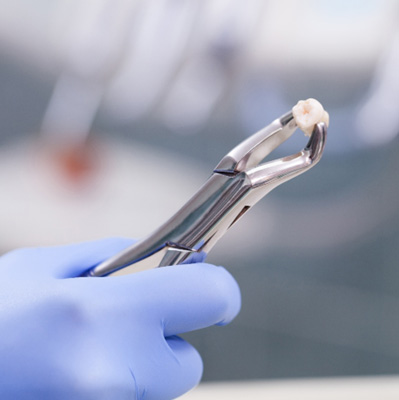
As is the case with other procedures, the cost of wisdom tooth extractions in Worcester can vary from case to case. During your consultation, we’ll be able to provide you with a custom price estimate after we’ve had the chance to examine your smile and review your circumstances, such as how your insurance benefits will fit into the picture. Remember, while wisdom tooth extraction might seem like a hefty financial investment, it can prevent all sorts of potential future oral health problems—making it very worthwhile!
Factors That Can Impact the Cost of Wisdom Tooth Extractions

A few of the factors that can influence the cost of wisdom tooth extractions include:
- The number of teeth being removed – It’s most common for all four wisdom teeth to be removed at once; however, not all patients have four wisdom teeth! Others might not have all four removed at once.
- Whether the teeth are impacted – Impacted teeth are stuck beneath the gumline and unable to erupt at the correct angles. They can sometimes be challenging to extract, and the level of impaction (partial or fully impacted) can also affect the price.
- The type of sedation used – Most patients prefer to be sedated during wisdom tooth removal so they can enjoy a comfortable experience. The amount and type of sedation will have a bearing on the total cost of your care.
- Who performs your surgery – Since we can perform wisdom tooth extractions here in our Worcester office, you’ll inevitably save on your cost of care. In instances when a patient is referred to an outside specialist, a different pricing structure will be used.
Does Dental Insurance Cover Wisdom Tooth Extractions?

In many cases, dental insurance will offer partial coverage for wisdom tooth removal; this amount often falls anywhere between 50% and 80%, depending on your plan’s specifics, as well as the previously mentioned factors. Since every policy is different, we know you might have questions; our team is here to help! We’re happy to review your plan with you and make sure you’re making the most of your benefits and lowering your out-of-pocket expenses as much as possible. We can also assist you with filing your claim.
How to Make Wisdom Tooth Extractions Affordable

If you don’t have dental insurance, you still have options for making your wisdom tooth extraction easier on your wallet. Our office is partnered with CareCredit, a third-party financer that works with qualifying patients to find flexible, low-interest payment plans, letting the cost of treatment seamlessly fit into all kinds of budgets. To learn more or for help signing up, just give us a call!
Wisdom Tooth Extractions FAQs
How Soon Can I Eat After Wisdom Teeth Removal?
Following your wisdom tooth extraction in Worcester, it’s important that you wait at least an hour to eat. That way, the gauze pads can slow down the healing, and the numbing agent has time to wear off. Once you do get the green light, stick to a liquid diet (without using straws). You can progress to plain yogurt, applesauce, and other foods that require very little chewing after 24 hours. Around the one-week mark, you should be okay to resume your usual diet.
Why Are Wisdom Teeth Called That?
Since wisdom teeth seem to be more harmful than helpful in many cases, you might be wondering how they earned this nickname. The prevailing theory is that it’s due to when they emerge. Unlike the first two sets of molars, the third set makes an appearance in early adulthood. Since wisdom comes with age, they are deemed “wisdom teeth.”
How Should I Prepare for My Wisdom Tooth Extraction?
We dedicated a section to what you should do after the procedure above, but is there anything you should do beforehand? The short answer is “yes!” In addition to avoiding all tobacco products, we recommend stocking up on everything you need to heal comfortably at home, like OTC pain medication, and arranging for an adult you know and trust to drive you to and from our office. If you have any questions, including if you can eat the morning of your appointment, don’t hesitate to ask your dentist.
Is Wisdom Tooth Removal Painful?
If this question has been keeping you up at night, we have good news for you: the first step of the procedure is always to numb your mouth with a local anesthetic. Not only that, but our team will provide you with detailed aftercare instructions so you can continue to heal comfortably at home (i.e., taking OTC pain medication as directed, using a cold compress for 10 minutes at a time, keeping your head elevated while you sleep).
Should Wisdom Teeth Be Removed If They Don’t Hurt?
Although impacted wisdom teeth do often result in chronic jaw pain, that’s not always the case. In fact, some patients don’t experience any discomfort, which leaves them perplexed as to why they need to have their third set of molars extracted. The truth is that not removing them can often lead to several problems, including an increased risk of infection, cysts, and headaches. So, even though the situation may not feel urgent, it very well may be.
How Do You Sleep After Wisdom Teeth Removal?
The key is following the aftercare instructions we give you to a tee. That starts with taking prescribed or OTC pain medication as directed and extends to using a cold compress for 10 minutes at a time. When you’re ready to turn in for the evening, prop yourself up on a few pillows so your head stays elevated throughout the night (this helps prevent blood from rushing to the area, exacerbating your discomfort in the process).

